
 Frederick Slane
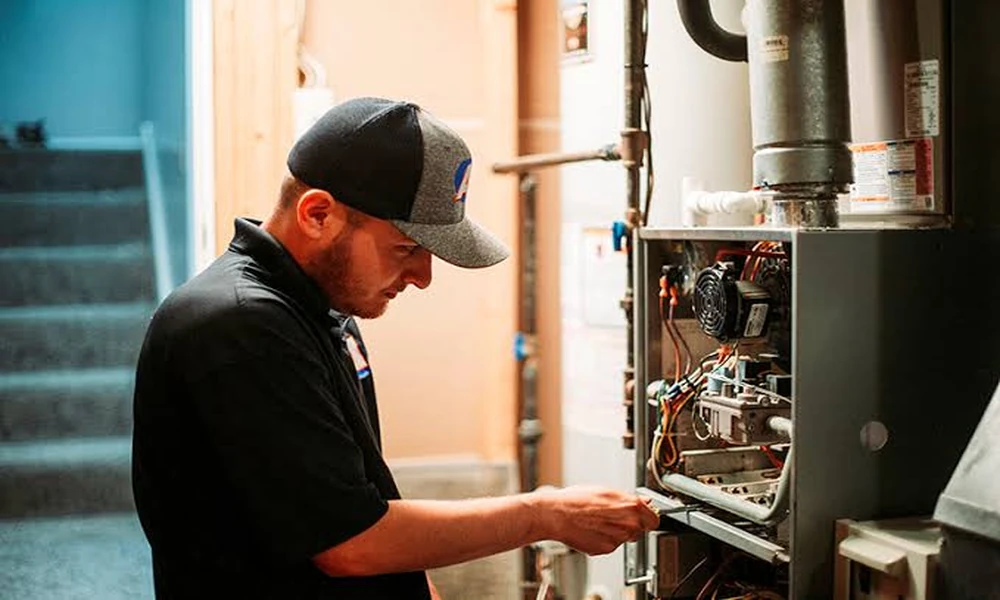
Most homeowners wait until the furnace quits on the coldest night of the year, and that is the most expensive way to buy one. A unit that dies on a Friday in January gives you no room to compare quotes, no time to ask about rebates, and no leverage. Emergency replacements always cost more than planned ones.
So the useful question isn’t “is my furnace broken?” It’s “is this the last repair I should pay for?” You don’t need to become an HVAC tech to answer that. You need a few honest signals and one number.
I’ve watched neighbors pour money into units that were already finished, and I’ve also seen people replace a furnace with years of life left in it because a stranger on the phone told them to. The difference between those two outcomes comes down to paying attention to signs you need a new furnace before the decision is made for you by a cold house and a panicked checkbook.
What does the 50 percent rule actually mean?
Here’s the framework I use, and it’s the one worth writing on an index card: the 50 percent rule. If a repair costs more than half the price of a new furnace and your unit is past the halfway mark of its expected life, replace it. Below both thresholds, repair it and keep going.
That’s it. Two numbers, one decision.
The rule works because it forces you to think about the money you’ll spend over the next few years instead of the money you’re spending this week. A four hundred dollar repair on a six year old furnace is a fine deal. The same repair on a seventeen year old unit is a down payment on a machine you’ll be replacing anyway.
Where homeowners go wrong is treating a repair bill like an isolated event. It never is. Start a simple log: date, what broke, what you paid. After two seasons you’ll see the pattern clearly, and the pattern is what should drive your decision, not the size of any single invoice.
Age, bills, and the clues hiding in plain sight
Furnaces generally run somewhere between fifteen and twenty years before they start costing more than they’re worth. Once yours crosses fifteen, you’re on borrowed time, and shopping before it fails puts you in control of the timeline.
The Department of Energy notes that heating and cooling typically account for more than half of a household’s annual energy use, which is why a furnace quietly losing efficiency shows up fast on your utility bill. If this January’s bill looks nothing like last January’s and your rates haven’t changed, that gap is telling you something.
Then there are the physical tells. A flame that burns yellow or orange instead of crisp blue. Soot streaks near the burners. A unit that clanks, bangs, or roars through a cycle instead of humming. Uneven heat where one room bakes and another stays cold no matter what you do with the thermostat. Any single one of those deserves a technician’s eyes. Two or three together usually mean you’re closer to the end than the start.
Safety signs you shouldn’t shrug off
A yellow flame and soot aren’t quirks. They can point to incomplete combustion, and that’s the one category of furnace problem where you stop diagnosing on your own and call someone the same day.
The Environmental Protection Agency maintains resources on indoor air quality for good reason. If your household is suddenly dealing with headaches, irritated eyes, or just a general stuffiness that clears up when you leave the house, poor combustion and air handling deserve a look before you assume it’s the weather.
I’m blunt about this one: a repair that makes a technician frown at your heat exchanger is not a repair you schedule for next month. Get the inspection, and let a pro tell you whether the unit is safe to run.
A five minute checklist before you call anyone
Do this before you dial, because it turns a vague call into a specific one.
- Check the age plate. Most units have a sticker with the manufacture date. Write it down.
- Fill in the filter. A clogged filter mimics a dying blower, and you can swap one yourself in minutes.
- Count your repairs. Two or more paid visits in the past two years is a signal on its own.
- Pull three winter bills. Compare them to the same months a year ago.
- Do a loop of every room. Note which ones stay cold no matter what the thermostat says.
Bring those five answers to the call. You’ll get a straight diagnosis instead of a guess, and you’ll know within a minute or two whether you’re talking about a service visit or a replacement quote.
Repair or replace? The short version
| Your situation | What I’d do |
|---|---|
| Under 10 years old, one repair, under half the replacement cost | Repair it and keep the log going |
| 10 to 15 years, repair near half the replacement cost | Repair, but start pricing replacements |
| 15 years or more, second or third repair in two years | Replace it on your schedule, not the weather’s |
| Yellow flame, soot, or a heat exchanger concern | Stop running it and call a tech today |
Notice that nothing on that table requires you to guess at brand names or model numbers. It’s built entirely around age, repair history, and safety, which are the three things you can actually observe without opening a panel.
The planning move almost nobody makes
The best furnace decision I’ve seen wasn’t made in a crisis. It was made in June.
A couple I know had a sixteen year old unit with a failing blower. Instead of waiting for it to quit, they got three quotes in the shoulder season, asked about utility rebates, and had it swapped in a single afternoon while it was warm outside. No emergency fee. No hotel night. No frantic calls.
That’s the whole advantage of recognizing the signs early. Replacement is a project when you plan it and an emergency when you don’t, and the price gap between those two experiences is real.
If your unit is past its fifteenth birthday, pick a quiet month and get one quote. You don’t have to buy anything. You just want a benchmark number in your head so the next repair estimate lands in context instead of in a vacuum.
So here’s the question to sit with: if your furnace quit tonight, would you know what it should cost to replace? If the answer is no, that’s the piece to fix first, and it costs you nothing but a phone call on a mild afternoon.